

Use Case — Intralogistics

Conveyor Vehicles – Highly Reliable and Low-Wear Wireless Systems for Automated Production

R3 Solutions provides the wireless technology that connects conveyor vehicles along long production lines to the central control system safely, reliably, and without wear—even over long distances and during continuous movement.

Overview

Conveyor vehicles, such as battery-powered push or transfer carts, move workpieces along automated production lines that can extend for hundreds of meters. The vehicles themselves must be connected to the central control system continuously and, above all, without failure. This ensures maximum productivity as well as worker safety.

A wired connection is generally not feasible for moving vehicles traveling such distances. Conventional sliding contact or busbar systems are subject to high wear and tear. Wireless communication therefore represents the better solution, but it also comes with specific requirements: It must be highly reliable, capable of real-time operation, and available seamlessly along the entire route.

Typical Challenges in the Industry

Seamless connectivity over long distances

The control system must operate continuously along the entire length of the conveyor route, even if it spans several hundred meters.

Seamless roaming while on the move

Conveyor vehicles switch between radio cells during operation. This transition must not interrupt real-time control at any time.

Parallel Data Streams

Conveyor vehicles switch between radio cells during operation. This transition must not interrupt real-time control at any time.

Low wear and minimal maintenance

Mechanical transmission systems, such as sliding contacts, are subject to wear and tear and result in high maintenance costs and production downtime. A wireless solution is intended to permanently reduce this burden.

Energy Efficiency on Board

Battery-powered conveyor vehicles require energy-efficient wireless communication so that operations are not delayed or interrupted by charging processes.

Flexibility for Future Changes

Production lines are being retrofitted and expanded. The wireless infrastructure should be adaptable without the need for structural modifications.

How R3 Solves the Challenges

The R3 product portfolio is tailored to the typical requirements of automated conveyor lines: Real-time control and the transmission of safety-related signals enable wear-free, low-maintenance communication among the mobile vehicles.

Edge X

For advanced requirements that demand higher bandwidths and the integration of different protocols.
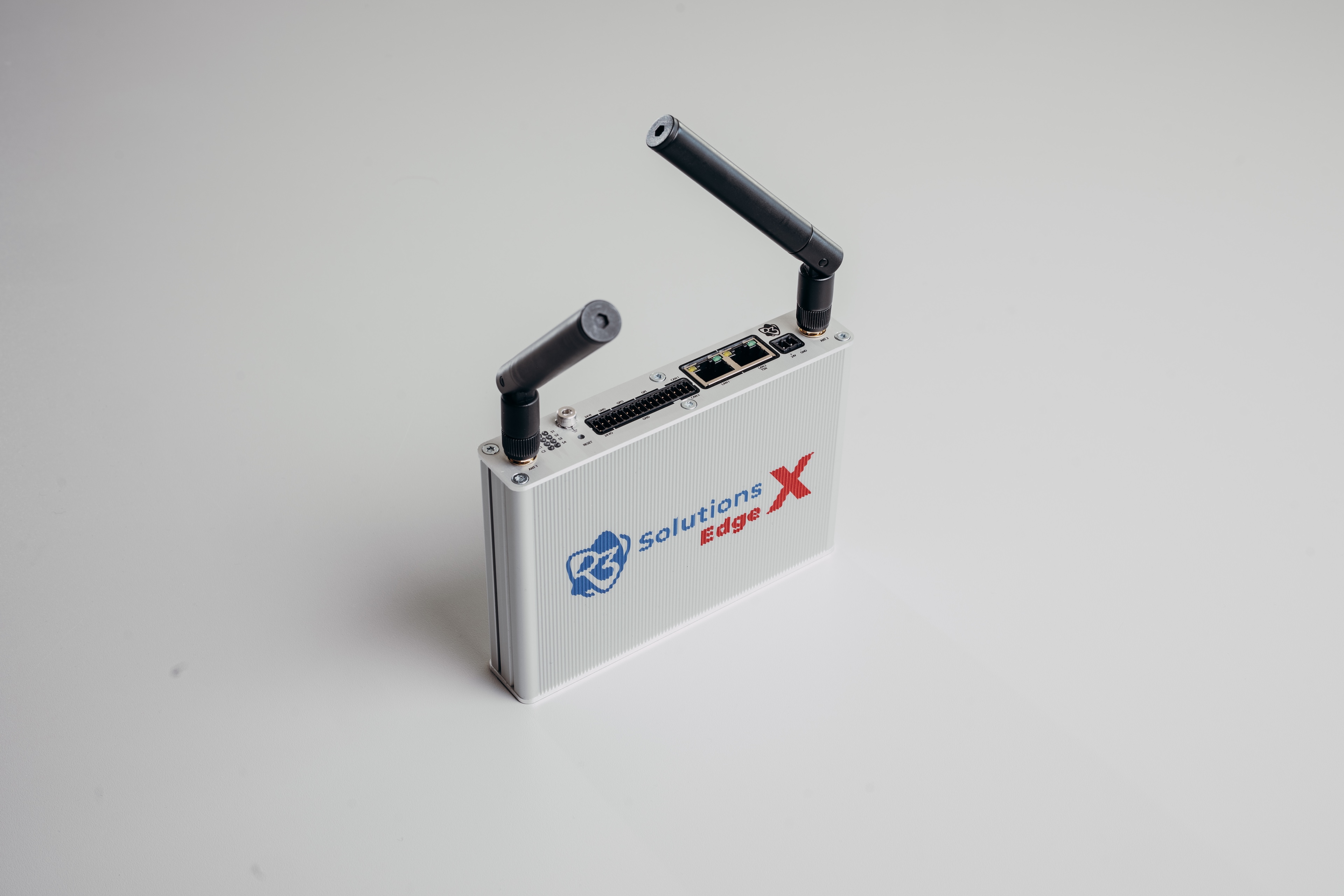
Edge X by R3 Solutions

Bridge E

For safety and control applications with real-time requirements and high synchronization.
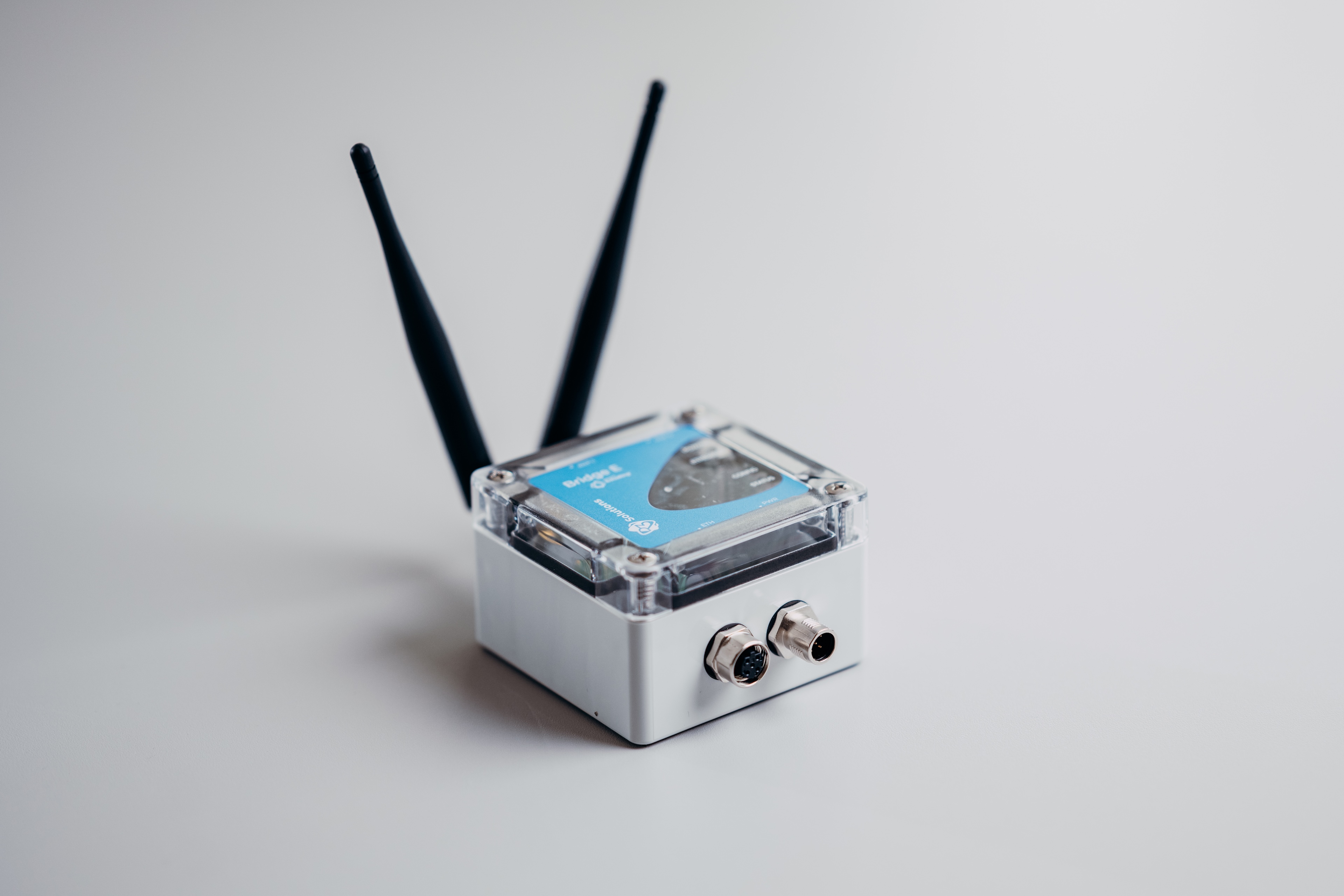
  • Determinism: Time-slot-based signal transmission, packet loss rate of 0.000000001 %.
  • Real-time communication: Latencies of up to 2 milliseconds are possible.
  • Safety-compliant: PROFIsafe, CIP Safety, and others are transmitted transparently.
  • Proven in practice: Years of use by European and American OEMs.

Typical Project Workflow

Project Assessment

Project analysis, functional safety requirements, protocol selection.

Network Solution Plan

Traffic analysis, channel planning, configuration details.

Deployment

Installation, functional safety testing, acceptance testing.

Support & Maintenance

Monitoring, firmware updates, and enhancements.

Success Stories

Loading and Unloading a Drying Oven via a Wireless Control Network

The customer wanted to further automate the loading and unloading process of its drying oven. Wired control of the transport carts was not physically feasible: The extreme temperature fluctuations and the harsh environment of the kiln had repeatedly caused failures in earlier, cable-based solutions.

Read Success Story

Wireless control of the central transfer cart in the logistics center

In large logistics centers, transfer carts move goods at high speeds through long warehouse aisles. Controlling these carts places the highest demands on wireless communication, both in terms of performance and safety.

Read Success Story

Wireless Safety for AMRs at the Goods Transfer Station

An automotive plant operates around the clock and has several production lines that are supplied by autonomous mobile robots (AMRs). The transfer station serves as the central interface between the warehouse and the production line. Hundreds of transfers are handled here per shift.

Read Success Story

Daniel Thiel

Wireless Solutions Expert

Talk to us about your project—today!

Leave your phone number or email address, and one of our specialists will contact you within 24 hours. We review every inquiry personally to connect you with the right expert from the start. Clear answers, quick responses, practical solutions.

Type of Contact

Schedule a virtual meeting with our industrial wireless experts. Start scheduling

I have read the Privacy Policy and agree that the data I have provided may be used in accordance with this Privacy Policy to contact me and ask me follow-up questions. I understand that I can revoke my consent at any time by sending an email to contact@r3.group.

Stay Up to Date

Don't miss updates on new products, technical releases, or company news.

Please calculate 2 plus 3.